
One of my strengths is learning. I don’t confine my curiosity to any one field. I love learning about all kinds of things, and I have a habit of taking a lot of notes in order to reflect on what I’ve read or heard. Unfortunately, my handwriting is almost illegible, so I miss a lot of the content of what I’ve read or heard because I can’t decipher my own handwriting. When I review my notes, I feel as if I’ve accomplished something if I can decipher enough of my handwriting to glean at least one take-away.
The following are take-aways from a few of the webinars, podcasts, editorials, and random readings I engaged with between April 2018 and June 2020:
- 41% of all undergraduates attend community colleges and there are fewer community colleges today than there were 20 years ago.
“Social Justice Summit: Advocacy, Access, and Engaging Equity in Community Colleges,” Western Illinois University, Webinar – Moderator: Laila McCloud; Speaker: Eboni M. Zamali-Gallagher, Director, University of Illinois Office of Community College Research and Leadership (June 9, 2020)

- “A society not grounded in ethics, self-reflection, empathy, and beauty is one that has lost its way.” (Brian Rosenberg, 17 years as President of Macalester College)
“The End of College as We Knew It.” Frank Bruni, The New York Times Opinion Piece (June 4, 2020)
- Do assessments, consider the context, address multiple identities, and determine who the interventions serve.
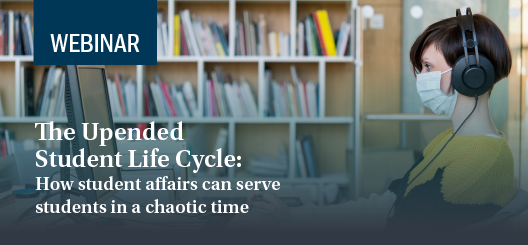
“The Upended Student Life Cycles-How Student Affairs Can Serve Students in a Chaotic Time,” The Chronicle of Higher Education, Webinar – Host: Ian Wilhelm, editor; Speakers: Nancy Young, Vice President, Student Affairs, University of Maryland Baltimore County; Christie Kracker, Dean of Students and Campus Life, Susquehanna University. (May 29, 2020)
- Gamification is everywhere; you just don’t think about it. It uses game-inspired tools rooted in psychology (motivators, fun) to influence behavior.
“What is Gamification?” Eric Myers, Mindspace-The Creative Learning Agency, ATD Monthly Webinar (April 27, 2020)
- MOVE, EAT, RECOVER. What’s one step I will take to move, eat, and recover more effectively?
“Healthy Living for Busy Professionals.” Tyrone Holmes, ATD Monthly Webinar (March 26, 2020)
- Expect people to learn and grow; don’t freeze-frame others. Meet people where they are and scaffold the learning.
“Dynamics of White Privilege,” Kathy Obear, Founder/Director, The Center for Transformation and Change, Webinar (November 8, 2019)
- The interpersonal level is not enough. We must scan the environment with trifocals and analyze our organizations at all three levels: interpersonal, group, and organization.
“Recognizing and Interrupting Racism in Your Organization: Our Role as White Allies and Change Agents,” Kathy Obear, Founder/Director, The Center for Transformation and Change, Webinar (October 2, 2019)

- Each election becomes a way people measure their self-esteem. When their party loses, all of their identities lose. If your group does well, you feel better.
“The Age of ‘Mega-Identity’ Politics,” The Ezra Klein Show, Podcast (April 30, 2018)
 I couldn’t sleep at all Tuesday night. As soon as presumptive Democratic presidential nominee Joe Biden announced that his running mate would be Senator Kamala Harris, my phone began to ping with euphoric messages from friends and family. This announcement, coupled with my listening to Isabel Wilkerson’s book
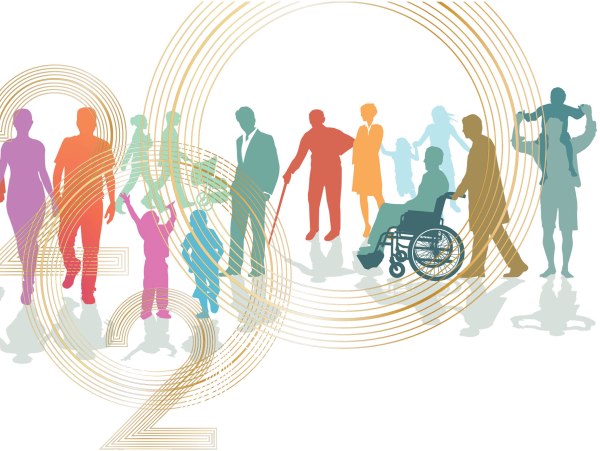 As opposed to pointing a finger up to see which way the wind is blowing, Generation 2020 will change the direction of the wind.
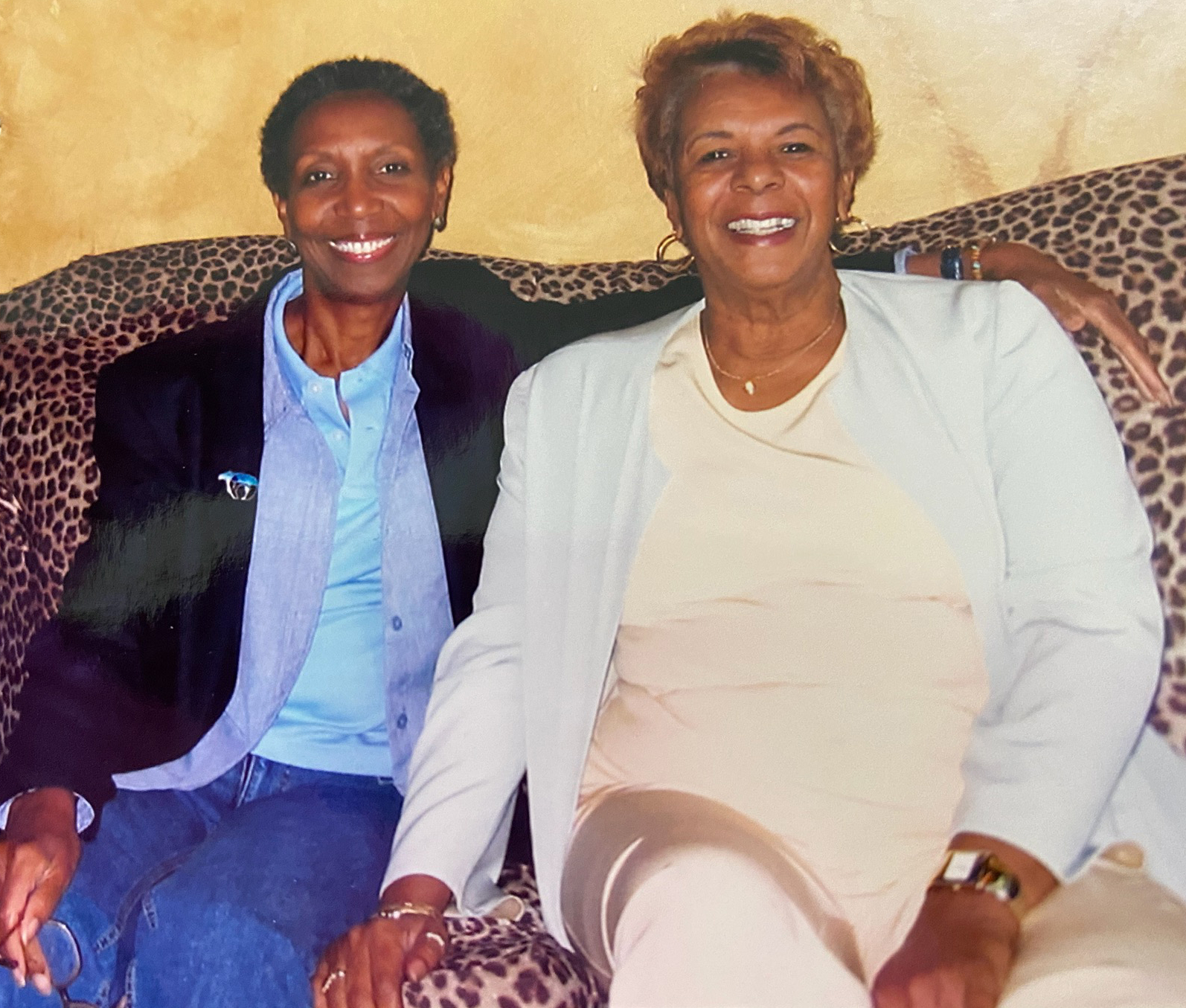 Gwen B. was not only my mentor, coach, and counselor regarding my job, she was also the kind of friend who kept my spirits up as I planned a wedding. She coerced her husband, Charles, into taking our wedding photos. She persuaded her retired babysitter to take care of one more baby, so I could return to work. There were no major events during the first years of my career in which Gwen B. was not there as a confidante and supporter. I like to think that the supportive friendship was mutual, which is why after many years and much geographical separation, we never lost contact.
 Andrei Santos, Environmental Science and Public Policy major at Duke University, shares in the following thoughtfully reasoned essay ideas and suggestions about how students can sustain the passion and momentum of the summer of 2020 from where they are as students.
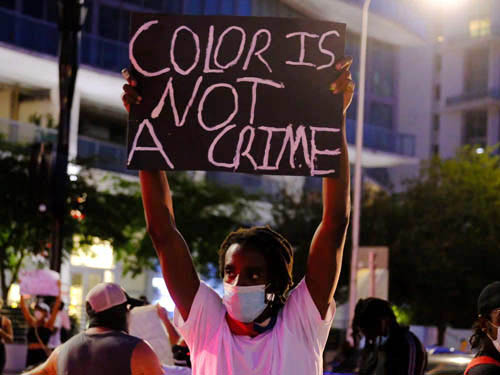 Over the last couple of weeks, protesters have responded to the death of George Floyd with demonstrations in all fifty states. Although the protests were started in response to Floyd’s death, they have quickly transformed into protests surrounding the broader issue of racism in police forces across the country and systemic racism in the country as a whole. While youth organizers have been responsible for many of the protests throughout the country, students must carry this momentum into the fall semester. The systemic abuse of people of color is not localized to their interactions with the police. In order to progress towards a truly just society we must confront the racial disparities not only in policing, but also the environmental sector.
 People of color are more likely to
 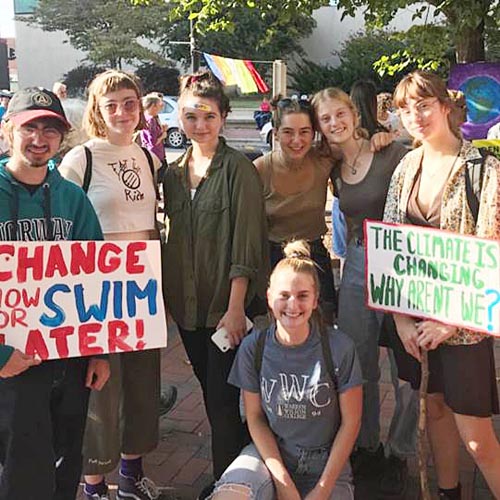 It’s normal to feel angry, frustrated, and ready for a change. For students, these feelings are an opportunity to act in socially responsible ways on campus. Systemic racism permeates everyday life, and university life is no exception. From educating oneself about injustices committed against people of color by enrolling in classes that challenge one’s perception of the world, to addressing diversity policies in the clubs one is a part of, students can educate themselves about inequality and work to improve the collegiate environment. Students can also look into the campaigns and companies that their universities and schools involve themselves with and promote divestment of groups that are socially irresponsible. Questioning the role and efficacy of police officers in schools is additionally important. Every school is different, but no school is perfect. Analyzing collegiate life and addressing, organizing, and protesting around the issues that affect people of color disproportionately is important to furthering the movement past calls for an end to police brutality. For students, bringing the protests from the streets into the classroom is important for keeping the movement alive.
 Campuses across the nation have seen a renewed push to change aspects of collegiate life, even during a time when students aren’t living on campus. At Duke University in North Carolina, students have started online movements to remove the police from peaceful protests on campus. In Charlottesville, activists demonstrated by marching through downtown in protest of police brutality and called for Confederate statues to be brought down.
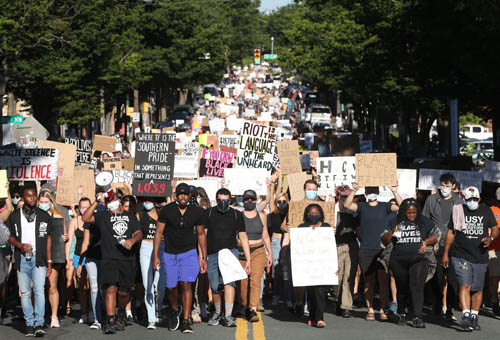 Current protests underscore the complexity of progress. Systemic racism is not just a single-faceted issue, but rather one with traces in every sector. Organizing work may look slightly different in the time of social distancing, but in this time of political upheaval, it could not be more important. While social distancing may keep us physically separate, now more than ever, we need to use the tools at our disposal to come together and fight injustice on all fronts. For students, upcoming semesters signify change, and this semester offers an opportunity to change their campuses for the better.
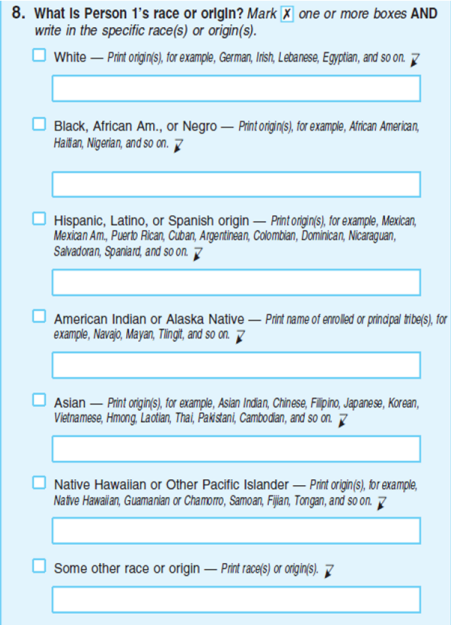 The question about “racial origins” (whatever that means) would seem easier on the surface to respond to for some groups than it is for others. For example, respondents who identify as “white” are given the following examples to choose from for racial origins: German, Irish, English, Italian, Lebanese, Egyptian, etc. (Despite this seeming simplicity, however, one does wonder whether the homogeneity with which the census has treated “whiteness” to date, might still give people in this category pause in being asked to identify origins of which they may not be aware or ever given much thought to.)
 Gwen Dungy