
Since the pandemic, I’ve not read or heard that colleges and universities and their students are thrilled about remote learning. Understandably, the majority want to be onsite enjoying the benefits a campus offers both in and outside of the classroom. But what if there were no pandemic that would require nearly universal remote learning? Would campus life be as it was in fall 2019? I have to think that if there were no pandemic and on-campus enrollment were up to full capacity this fall, there might be a different kind of challenge to address that would affect the safety of the academic community.
The academic community is not apolitical, and it is increasingly less of a haven for civil debate based on critical thinking and empirical facts. Students tend to be idealists and, in the past several months, we have witnessed more activism than we’ve seen in the past 50 years.
If there were no pandemic and students were onsite, rather than traditional campus protests to have college and university administrators address their demands, instead students might be protesting and counterprotesting one another based on their political party or favorite presidential candidate. Instead of safe spaces for civic engagement and civil conversations, campuses could be battlegrounds—even fomented by outside groups persuading students to stoke the flames of civil unrest.
With the current probability of disputes over presidential election results and ongoing rumors about the possibility of violence, the 2020 presidential election could have been the friction that sparked violent clashes among students if college and university campuses were at full onsite capacity.
Some may see this scenario as hyperbole, but it is no great leap to speculate that student-against-student campus unrest based on political choices could unravel the threads that create the ideal tapestry of higher education—learning to think, act, and live together.
If large numbers of students were on campuses this fall, those with larger responsibilities to keep students safe might have been caught between a rock and a hard place as they struggled to thread the needle between free expression and provocations that incite violence. Despite the hard place, administrators would dare not be caught flat-footed or blindsided to the possibility of violent clashes among students. In reality, it’s too horrible to imagine that students would resort to interpersonal physical violence in order to express their passion in support of a political ideology. But we’ve seen the unimaginable in so many ways in recent months, so nothing should be left to chance.
The upside of this dark scenario is that it appears that more campuses than not are making it possible for students to continue their studies remotely and, therefore, avoid the kinds of provocations that could actualize the unthinkable. Most importantly, we must have faith in those who choose higher education as part of their life plan.
Imagining this worst-case scenario may help some adapt more easily to the less-than-ideal circumstances and inconvenience of remote learning for a while longer. And remote learning could provide the kind of space for well-considered discussions on the election and what it means for the future of higher education. But this is only a microcosm of our larger society. If higher education ultimately teaches us how to better think, act, and live together, we must consider, too, the implications for the future of our nation and how we might be able to provide that same kind of space and well-considered discussion on a broader scale.
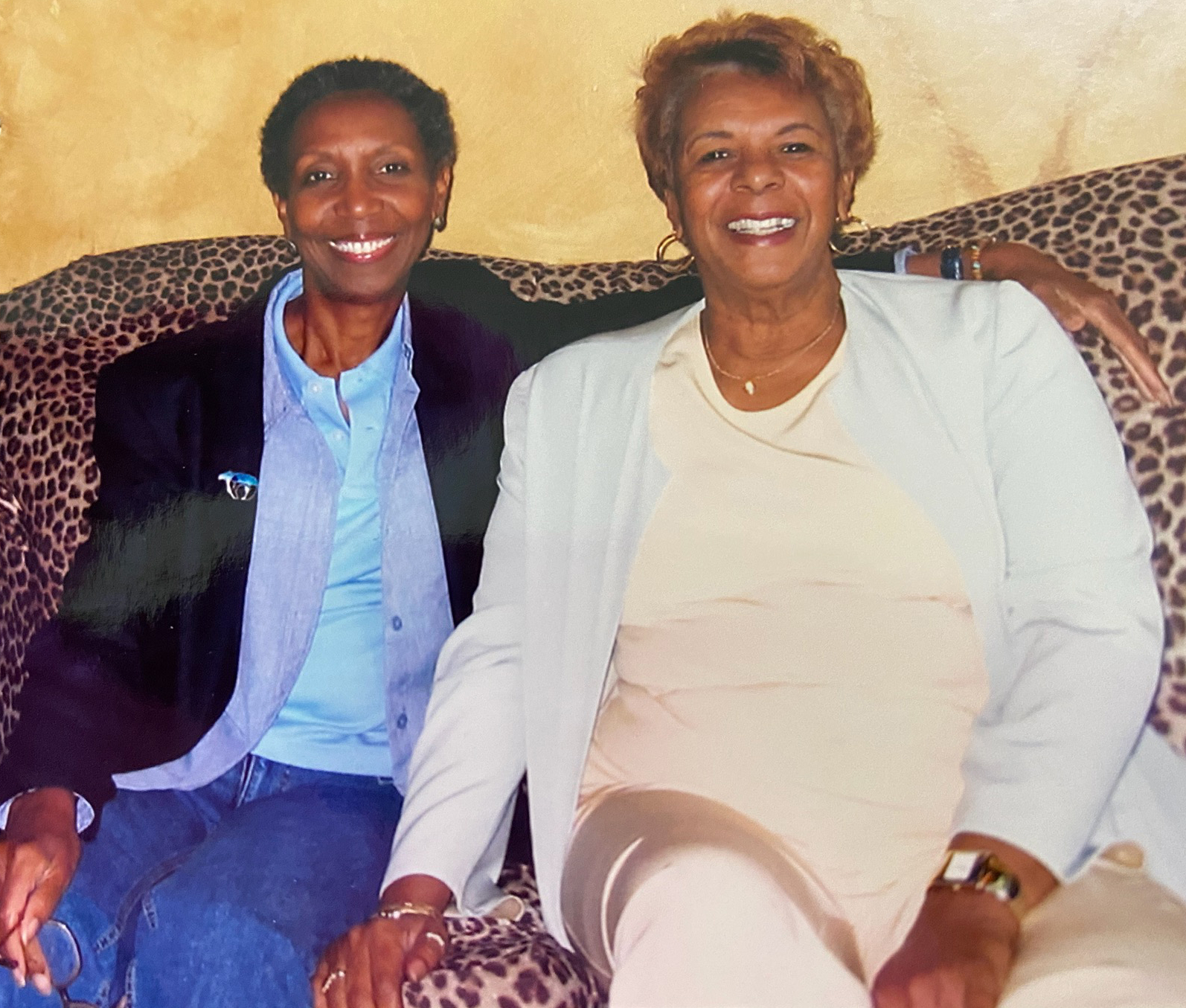 Gwen B. was not only my mentor, coach, and counselor regarding my job, she was also the kind of friend who kept my spirits up as I planned a wedding. She coerced her husband, Charles, into taking our wedding photos. She persuaded her retired babysitter to take care of one more baby, so I could return to work. There were no major events during the first years of my career in which Gwen B. was not there as a confidante and supporter. I like to think that the supportive friendship was mutual, which is why after many years and much geographical separation, we never lost contact.
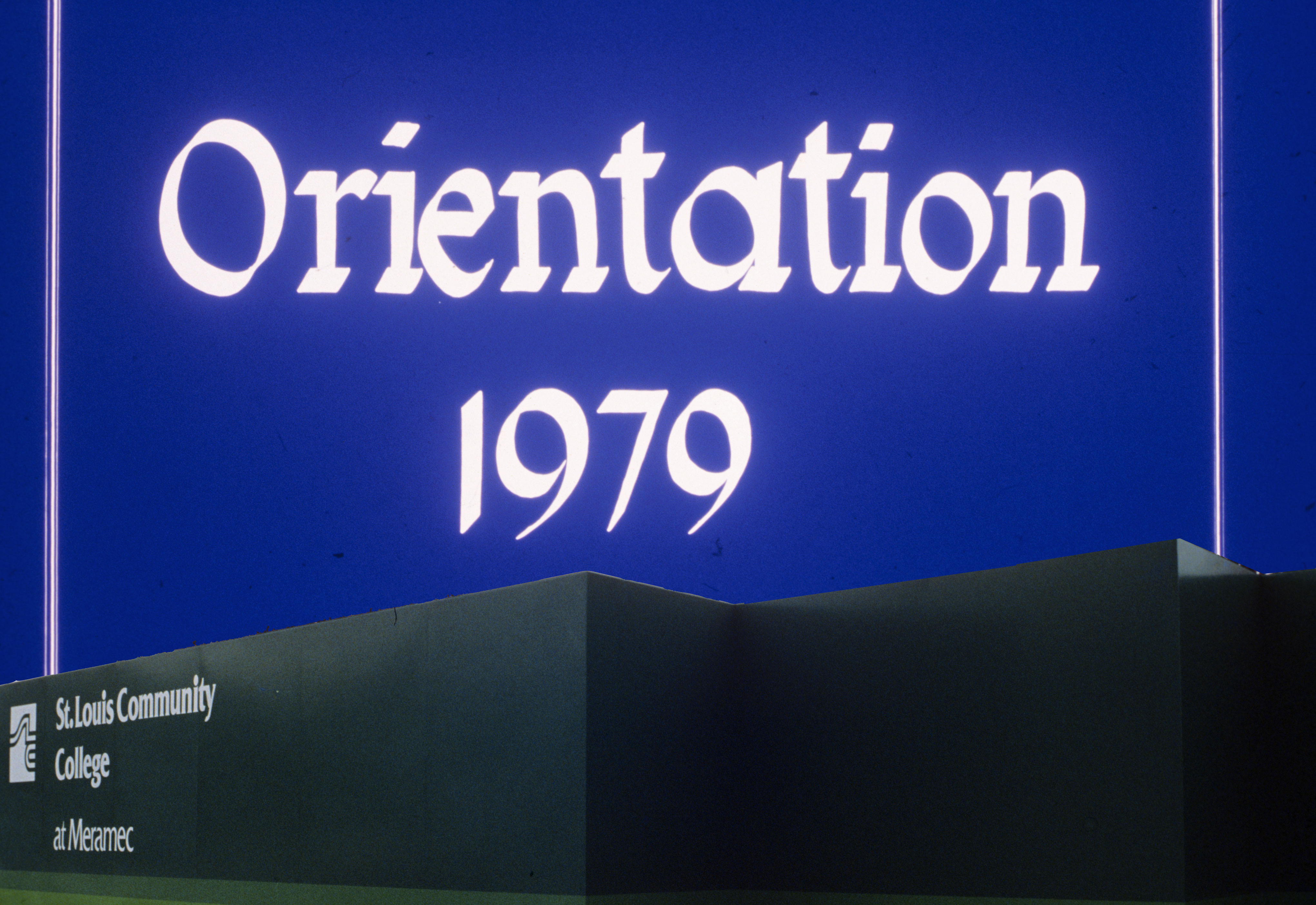 It’s 1979. I’m at St. Louis Community College at Meramec, a suburb outside of St. Louis and it’s my turn to be the lead counselor in planning the fall semester orientation. All students are required to attend orientation, followed by a one-on-one session with an educational adviser or counselor in order to select their course schedule for the semester.
 Andrei Santos, Environmental Science and Public Policy major at Duke University, shares in the following thoughtfully reasoned essay ideas and suggestions about how students can sustain the passion and momentum of the summer of 2020 from where they are as students.
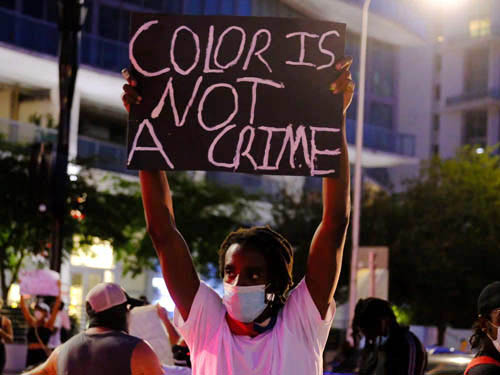 Over the last couple of weeks, protesters have responded to the death of George Floyd with demonstrations in all fifty states. Although the protests were started in response to Floyd’s death, they have quickly transformed into protests surrounding the broader issue of racism in police forces across the country and systemic racism in the country as a whole. While youth organizers have been responsible for many of the protests throughout the country, students must carry this momentum into the fall semester. The systemic abuse of people of color is not localized to their interactions with the police. In order to progress towards a truly just society we must confront the racial disparities not only in policing, but also the environmental sector.
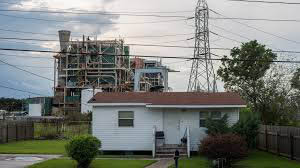 People of color are more likely to
 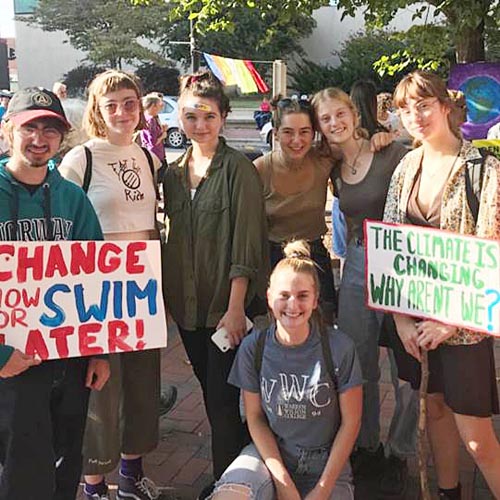 It’s normal to feel angry, frustrated, and ready for a change. For students, these feelings are an opportunity to act in socially responsible ways on campus. Systemic racism permeates everyday life, and university life is no exception. From educating oneself about injustices committed against people of color by enrolling in classes that challenge one’s perception of the world, to addressing diversity policies in the clubs one is a part of, students can educate themselves about inequality and work to improve the collegiate environment. Students can also look into the campaigns and companies that their universities and schools involve themselves with and promote divestment of groups that are socially irresponsible. Questioning the role and efficacy of police officers in schools is additionally important. Every school is different, but no school is perfect. Analyzing collegiate life and addressing, organizing, and protesting around the issues that affect people of color disproportionately is important to furthering the movement past calls for an end to police brutality. For students, bringing the protests from the streets into the classroom is important for keeping the movement alive.
 Campuses across the nation have seen a renewed push to change aspects of collegiate life, even during a time when students aren’t living on campus. At Duke University in North Carolina, students have started online movements to remove the police from peaceful protests on campus. In Charlottesville, activists demonstrated by marching through downtown in protest of police brutality and called for Confederate statues to be brought down.
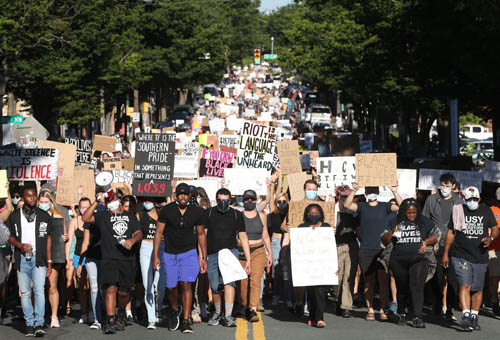 Current protests underscore the complexity of progress. Systemic racism is not just a single-faceted issue, but rather one with traces in every sector. Organizing work may look slightly different in the time of social distancing, but in this time of political upheaval, it could not be more important. While social distancing may keep us physically separate, now more than ever, we need to use the tools at our disposal to come together and fight injustice on all fronts. For students, upcoming semesters signify change, and this semester offers an opportunity to change their campuses for the better.
 A major role of commencement speakers at the culminating event of a lengthy and often arduous course of study is to inspire graduates to move positively and purposefully forward to the next phase of their lives.
 Gwen Dungy